The Art of Hand Tooling
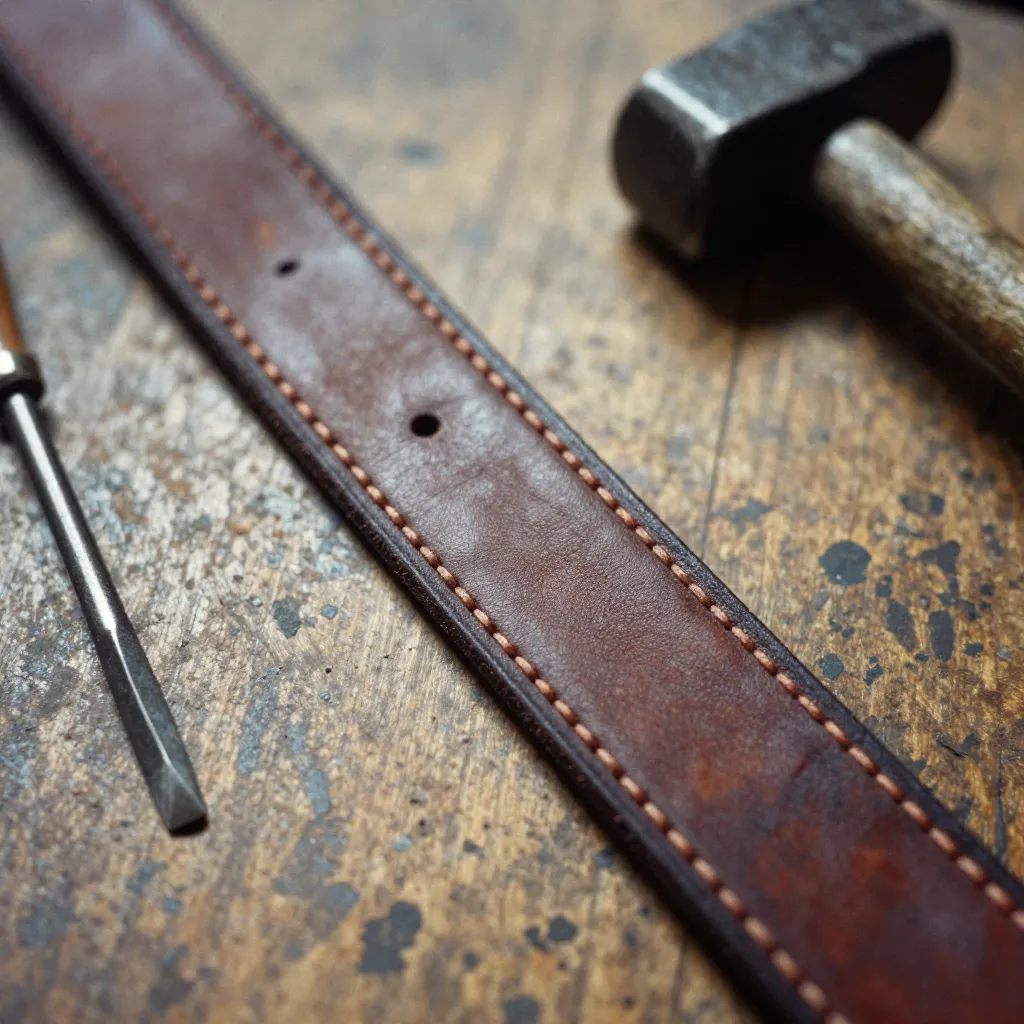
Precision Stamping
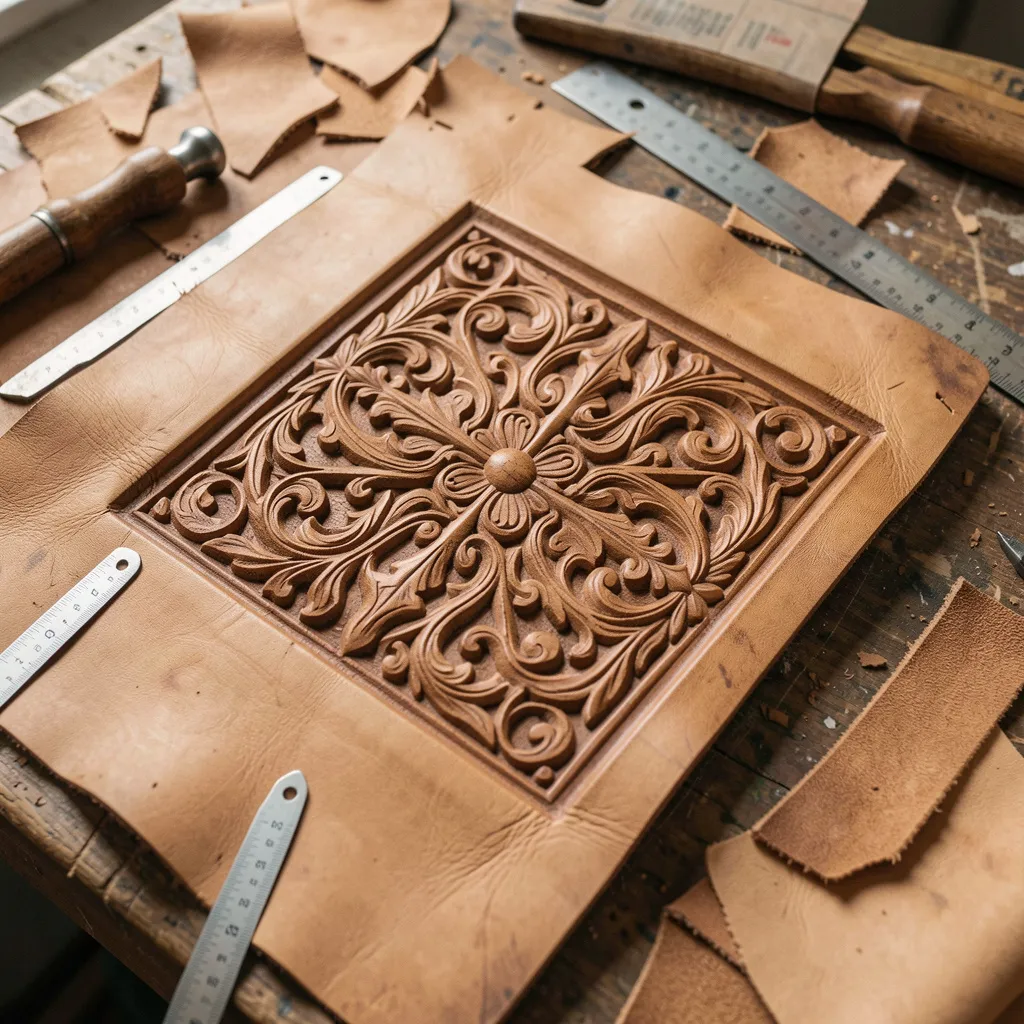
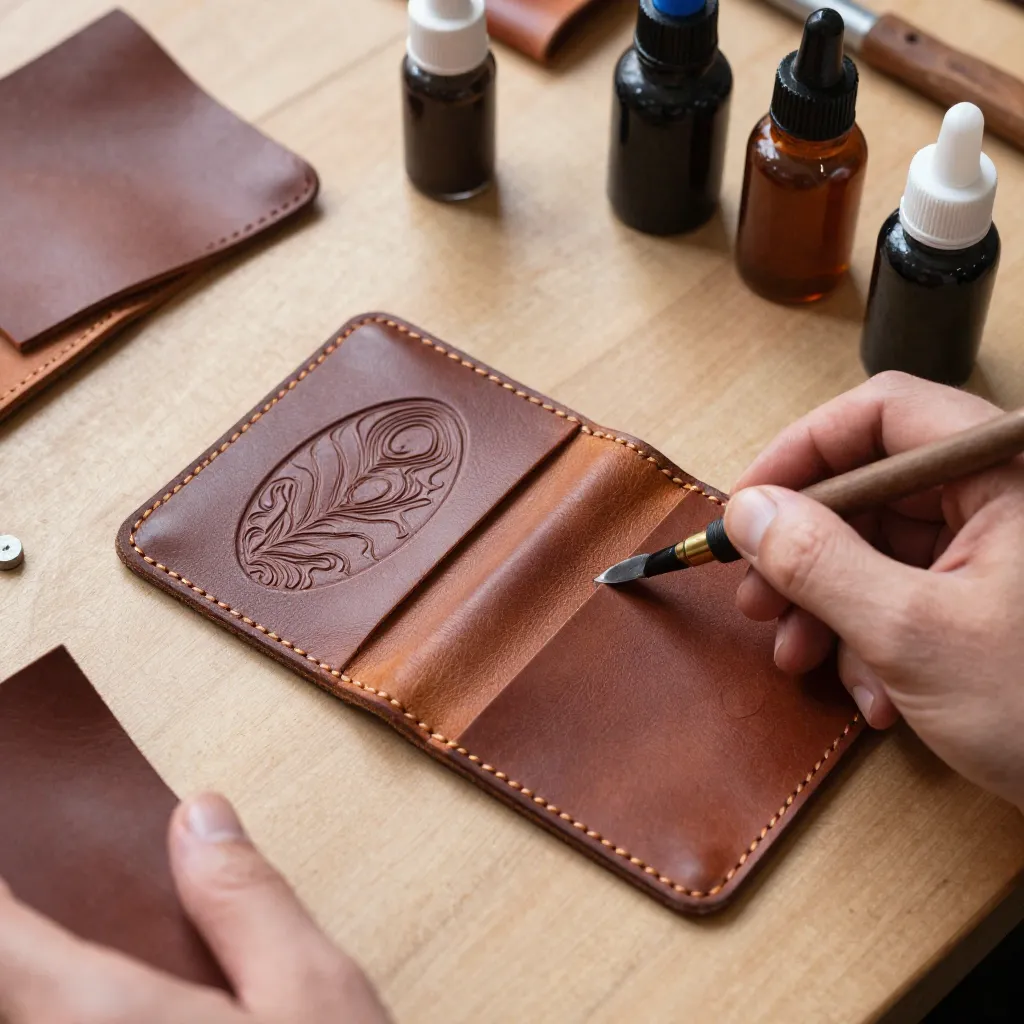
Each impression is carefully placed using traditional stamps and mallets. The depth and pressure are controlled to create consistent patterns that enhance the natural grain of the hide.
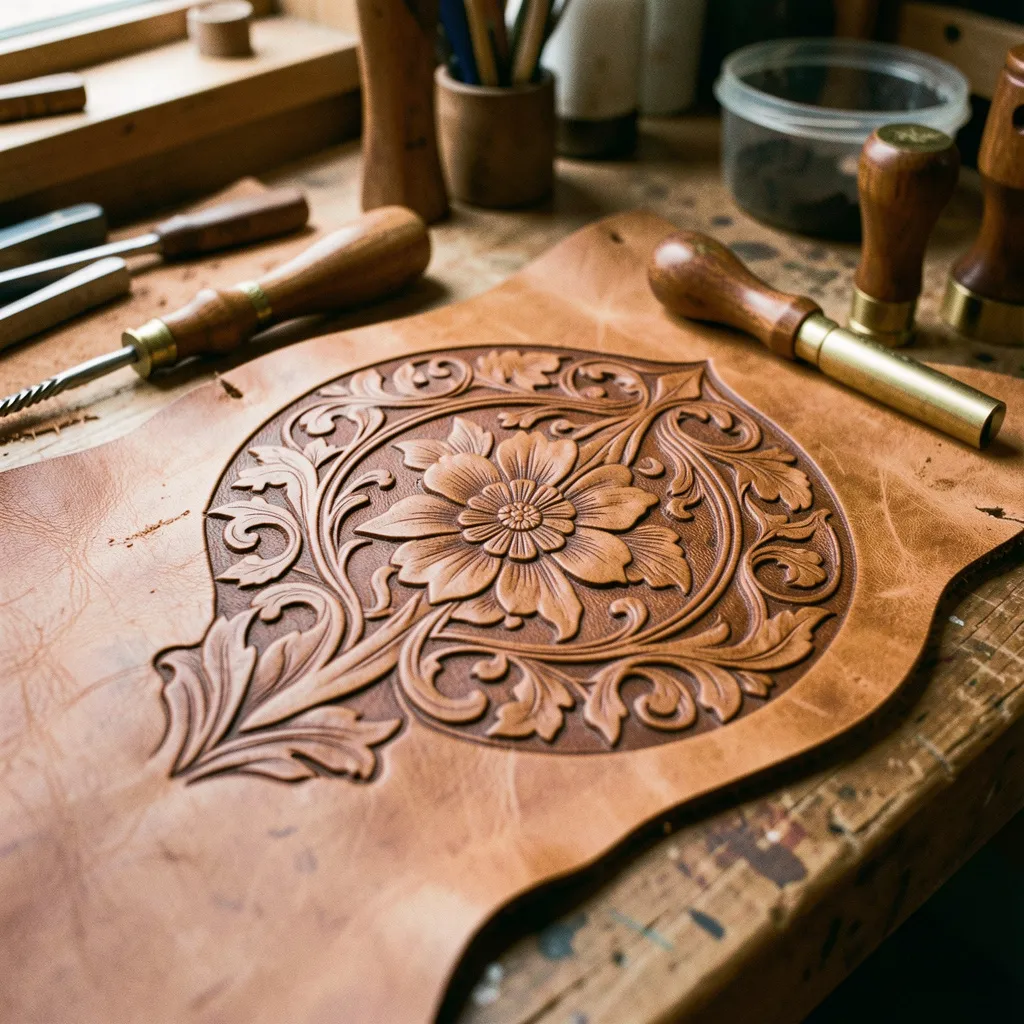
Intricate Patterns
Complex designs are built layer by layer, combining geometric shapes with organic motifs. The process requires patience and an understanding of how leather responds to different tools.
Traditional Techniques
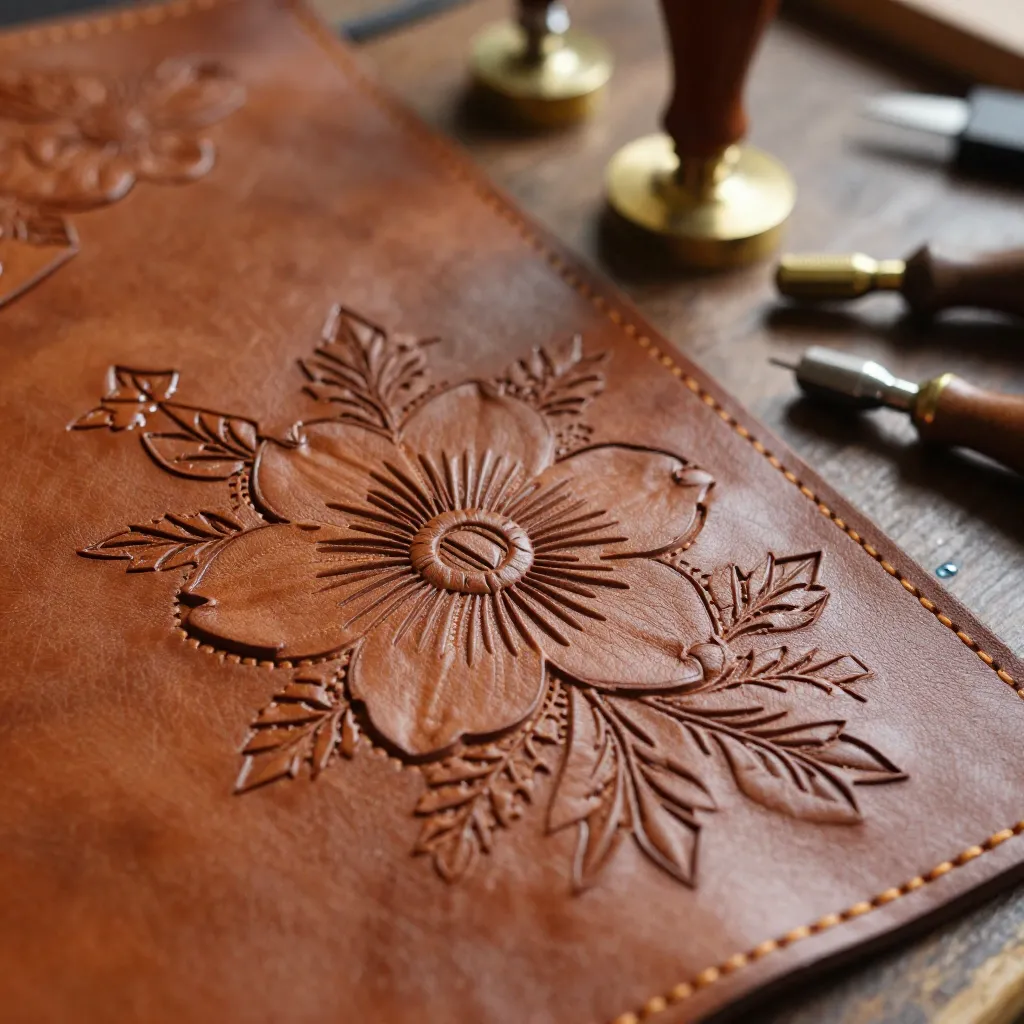
Vegetable Tanning
Full-grain vegetable-tanned leather provides the ideal surface for tooling. Its firm texture holds impressions clearly and develops a rich patina over time.
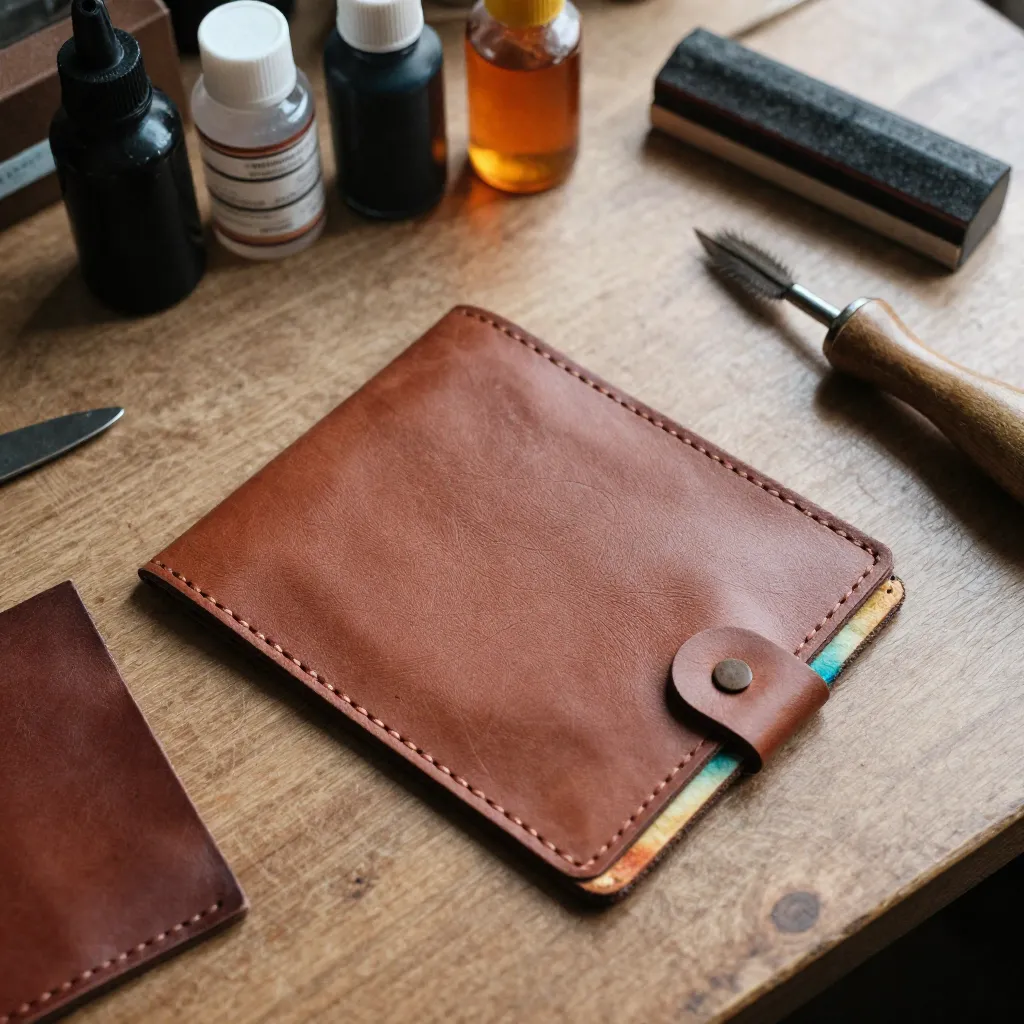
Edge Finishing
Burned edges are carefully polished to create smooth, rounded surfaces. This technique prevents fraying and adds a refined detail to every piece.
Hand Stitching
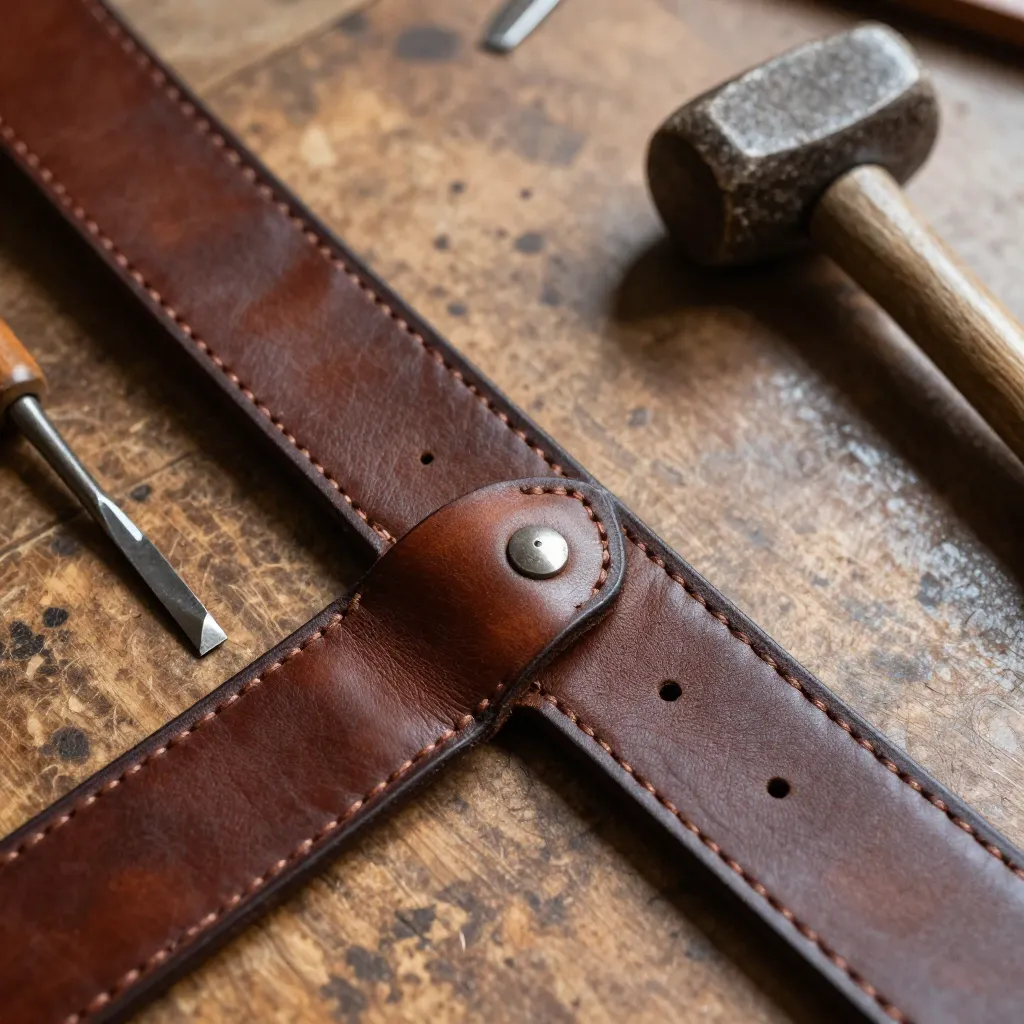
Saddle stitching creates durable seams that outlast machine stitching. Each stitch is pulled tight by hand, ensuring consistent tension throughout.
Craftsmanship Process
Material Selection
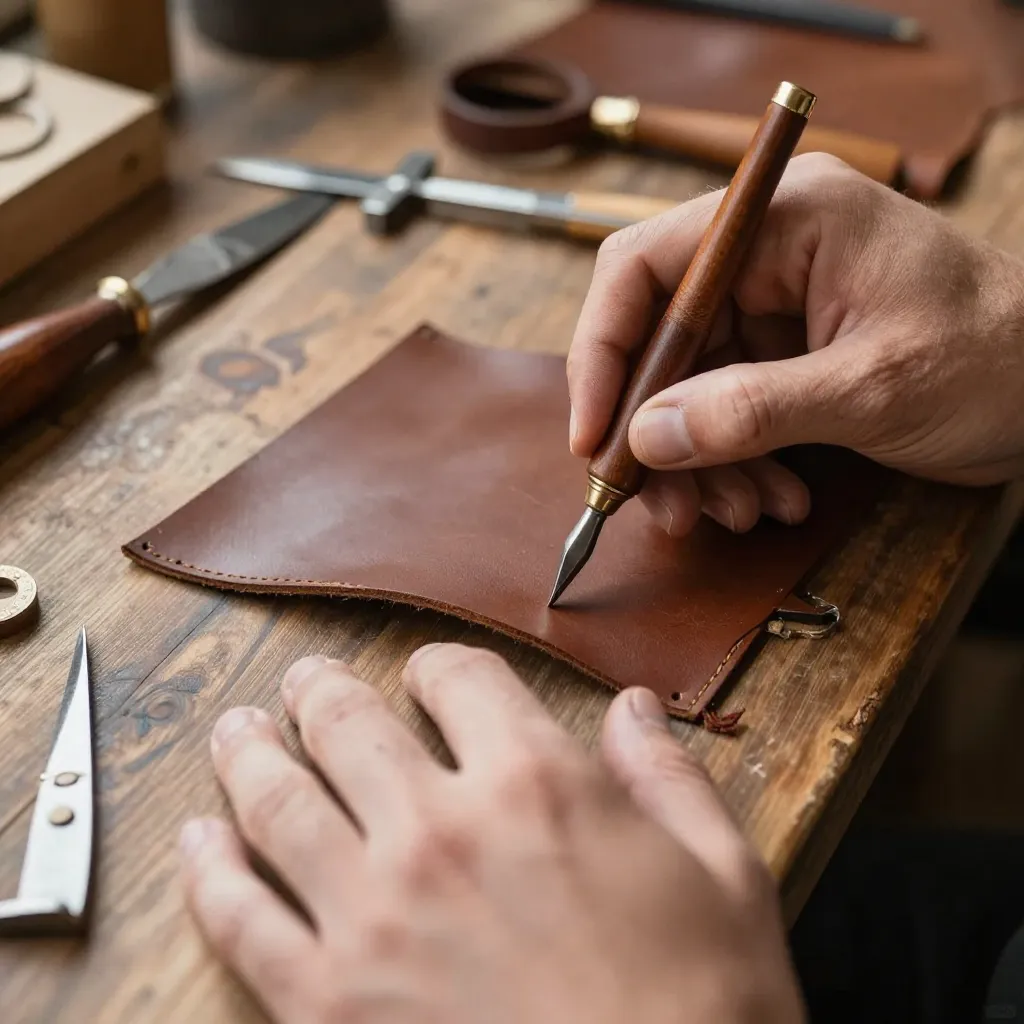
Each hide is inspected for consistency, thickness, and grain quality. Only premium sections are selected for tooling, ensuring the best possible results.
Design Transfer
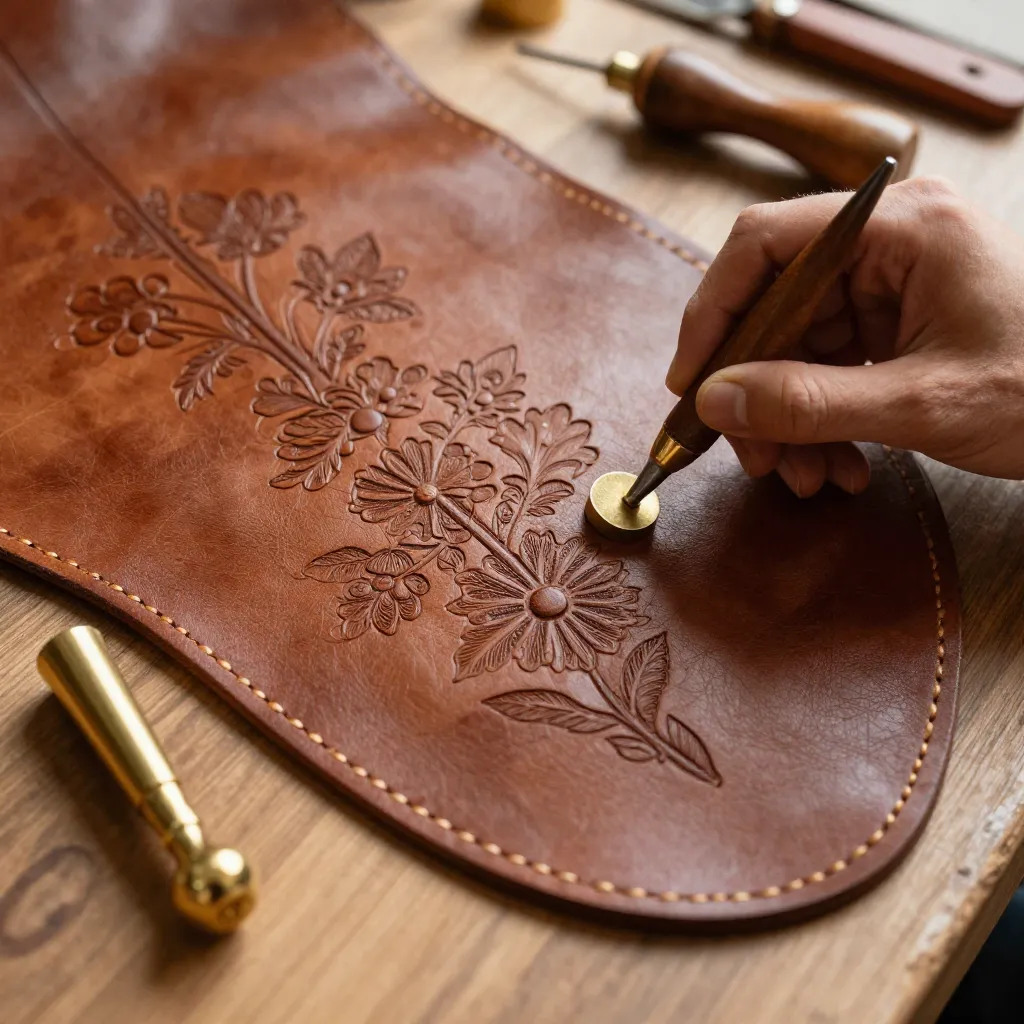
Patterns are carefully transferred to the leather surface using specialized tools. This step ensures accuracy before the tooling process begins.
Quality Materials
Full Grain
The outermost layer of the hide, featuring natural markings and maximum durability.
Top Grain
Premium quality with a smooth surface, ideal for detailed tooling work.
Vegetable Tanned
Eco-friendly tanning process that preserves the natural characteristics of the leather.
Explore Our Collection
Discover handcrafted leather goods that combine functionality with artistic expression.
View Products