Understanding Grain Layers
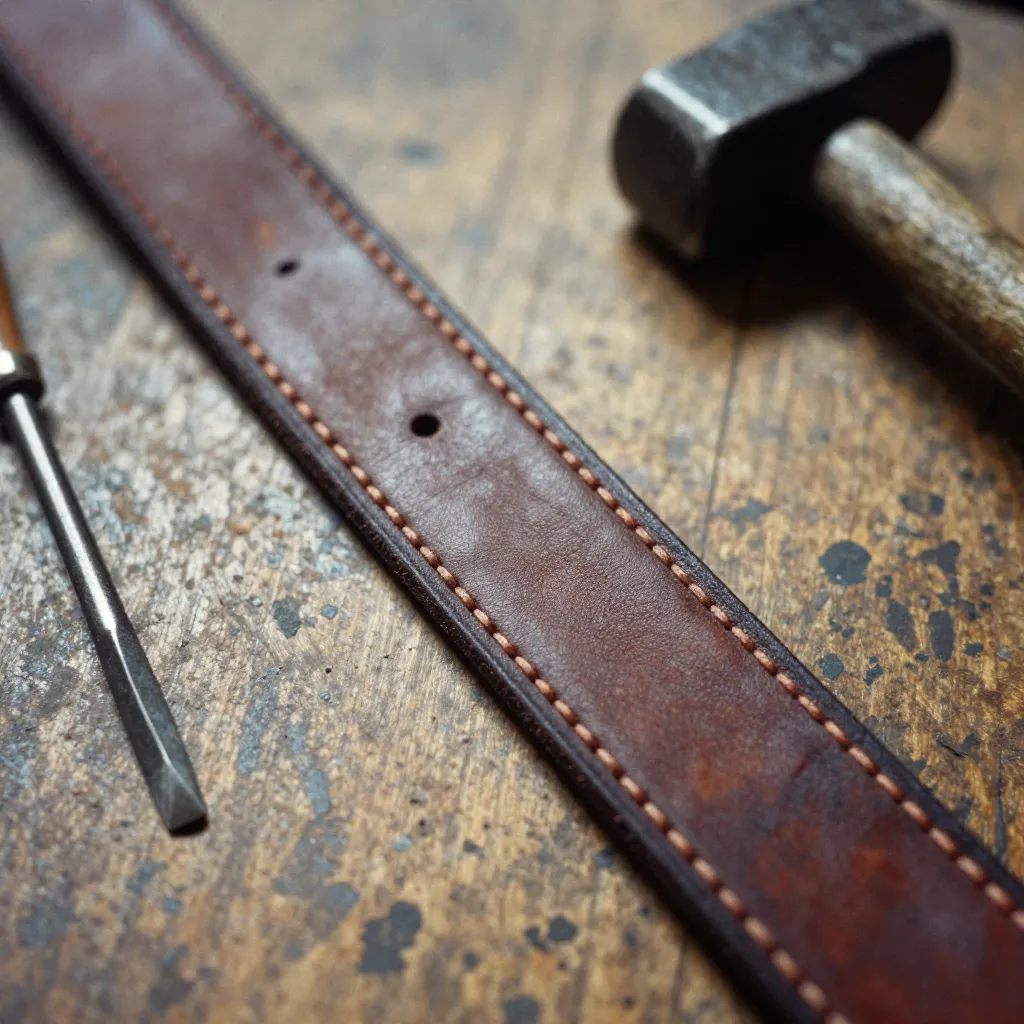
Full Grain Leather
The complete outer layer of the hide, including all natural markings, scars, and grain patterns. This is the strongest and most durable form of leather. The surface remains unaltered, preserving the hide's natural characteristics. Full grain leather develops a unique patina over time, becoming more beautiful with age.
Technical specifications: Thickness ranges from 3-5mm, density varies by animal breed, natural oils remain intact, breathability is optimal.
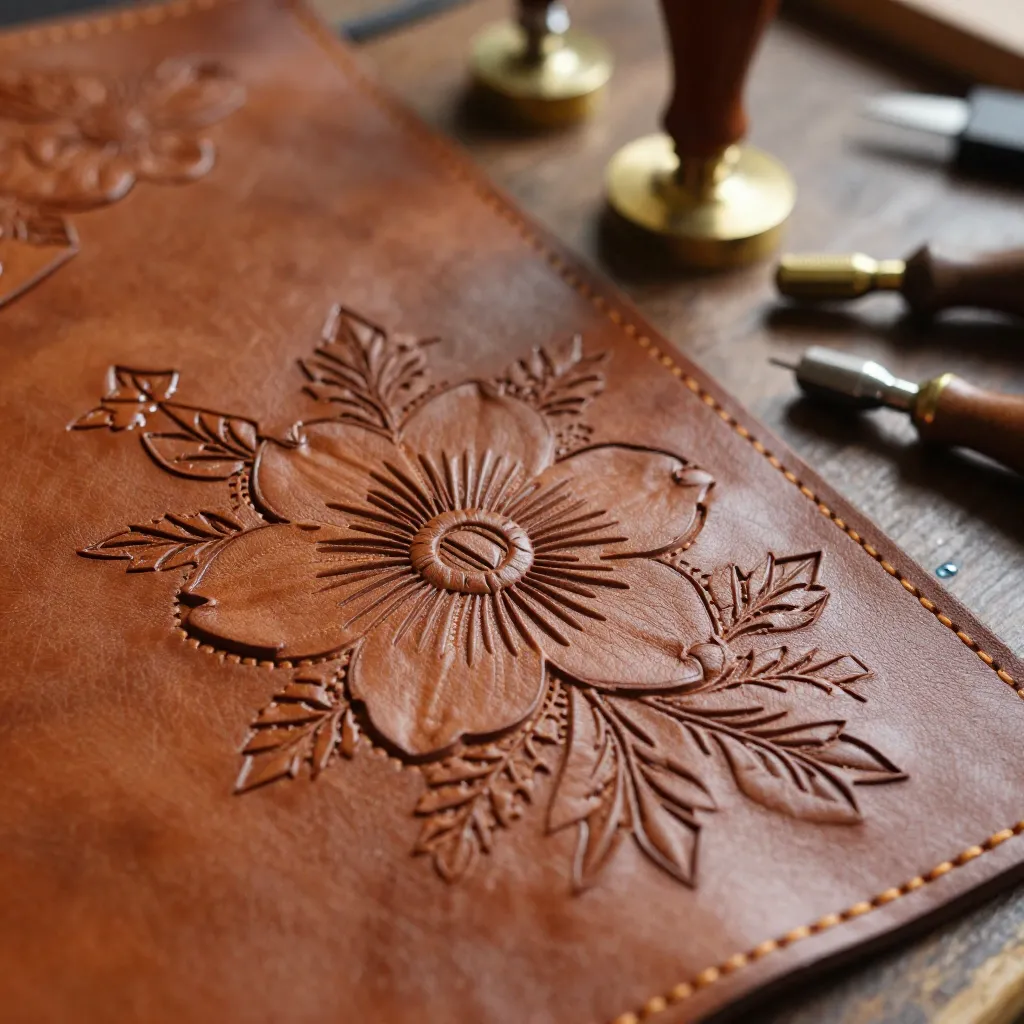
Top Grain Leather
The top layer of the hide that has been sanded or buffed to remove surface imperfections. This process creates a uniform appearance while maintaining most of the leather's strength. Top grain is more consistent in texture and color, making it ideal for detailed tooling work where precision is essential.
Technical specifications: Surface is mechanically finished, thickness typically 2-4mm, uniform grain pattern, enhanced tooling receptivity.
Tanning Methods
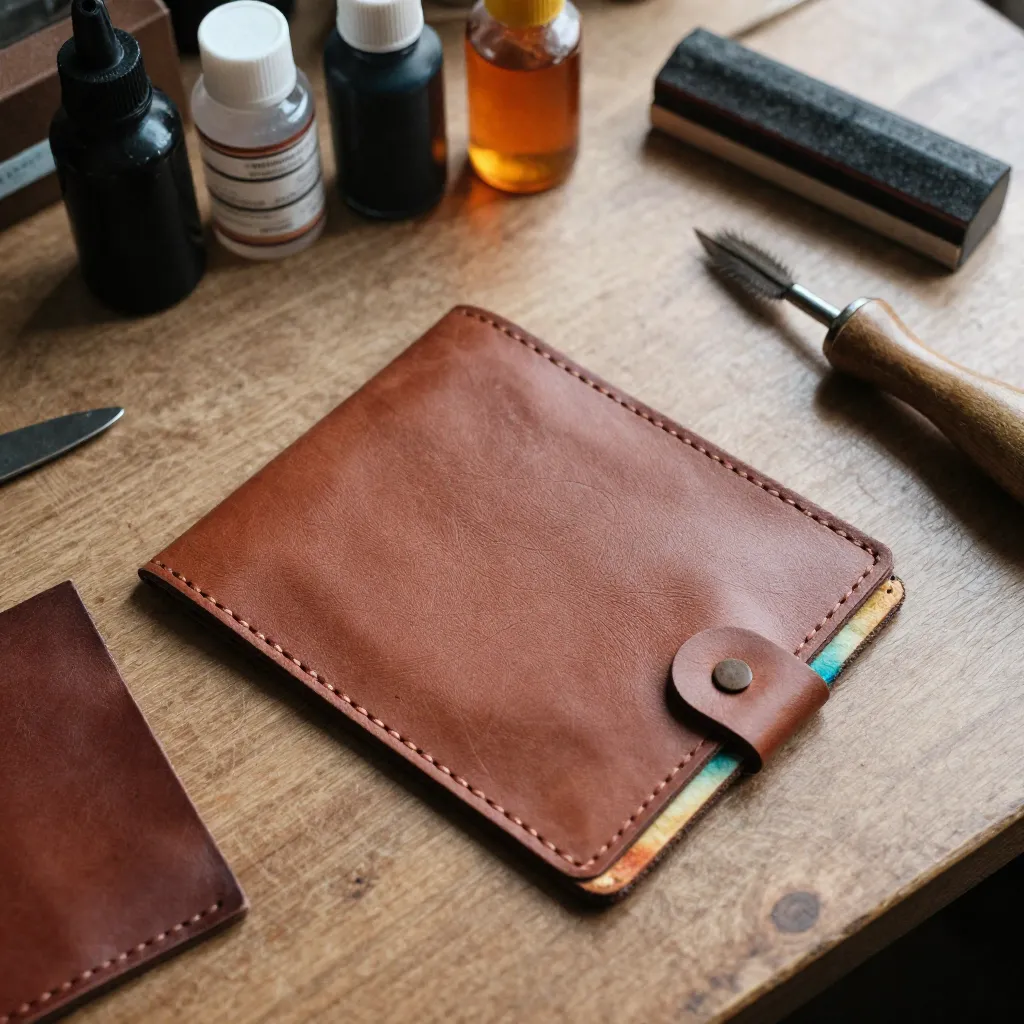
Vegetable Tanning
Uses natural tannins from tree bark, leaves, and fruits. This traditional method produces firm, toolable leather that ages beautifully. The process takes 30-90 days and results in leather that darkens naturally when exposed to light and oils.
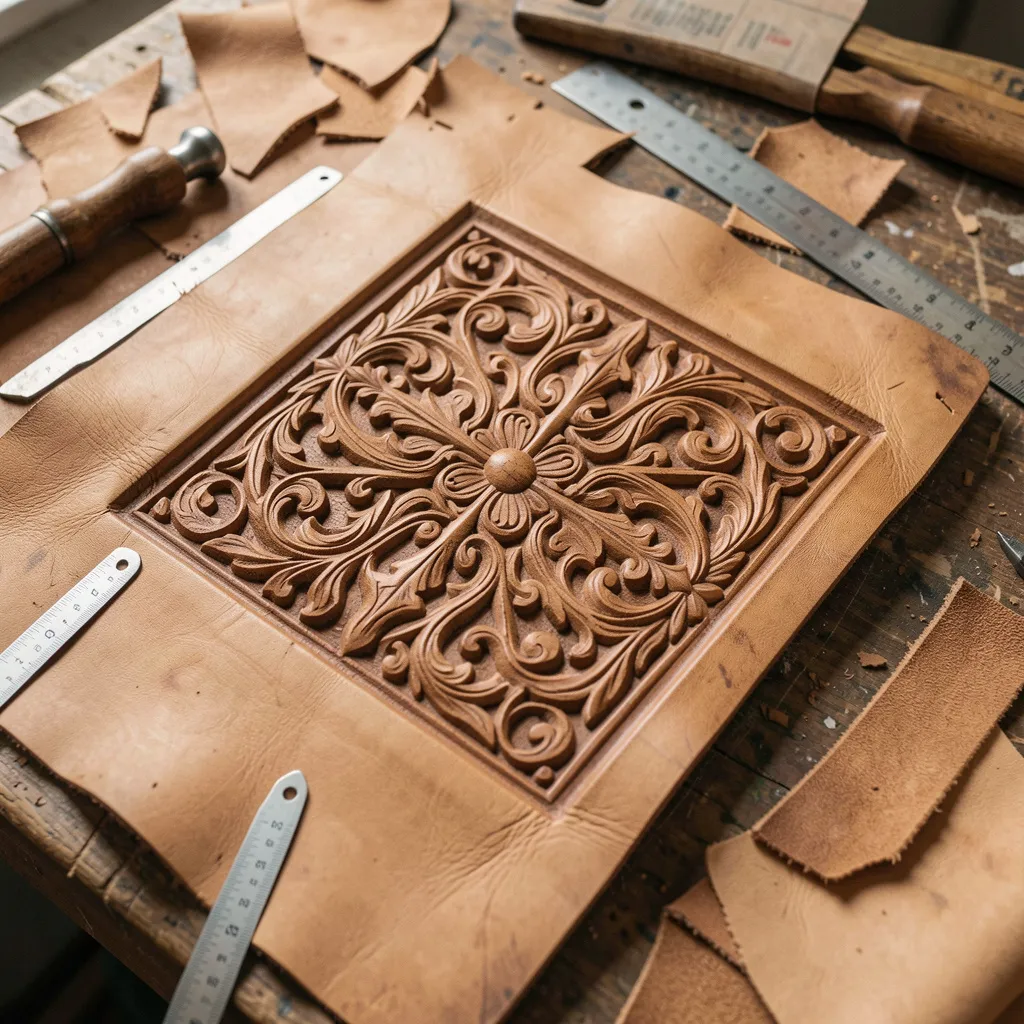
Chrome Tanning
A faster process using chromium salts that produces softer, more pliable leather. Chrome-tanned leather is water-resistant and maintains its color better, but is less suitable for detailed tooling work.
Combination Tanning
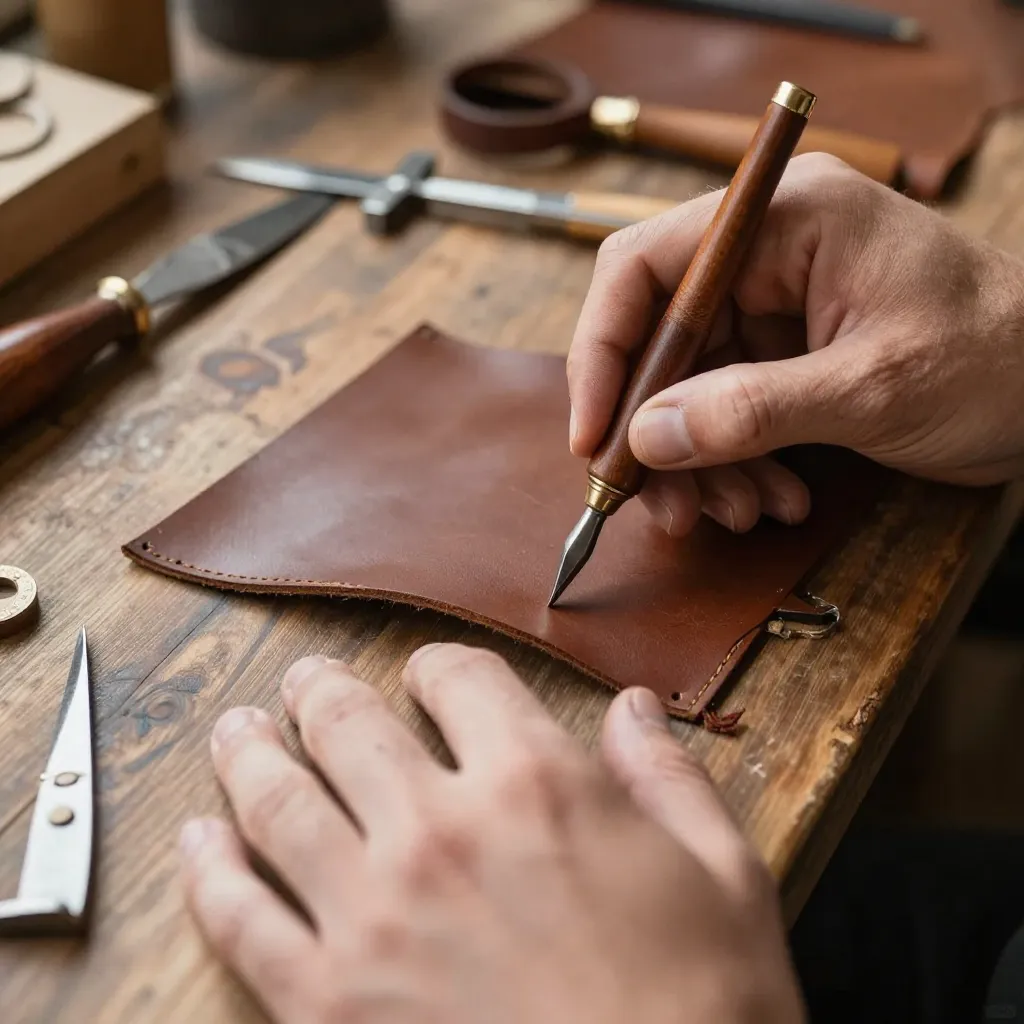
Combines both vegetable and chrome tanning methods to achieve specific characteristics. This hybrid approach balances toolability with flexibility and durability.
Grain Characteristics
Tight Grain
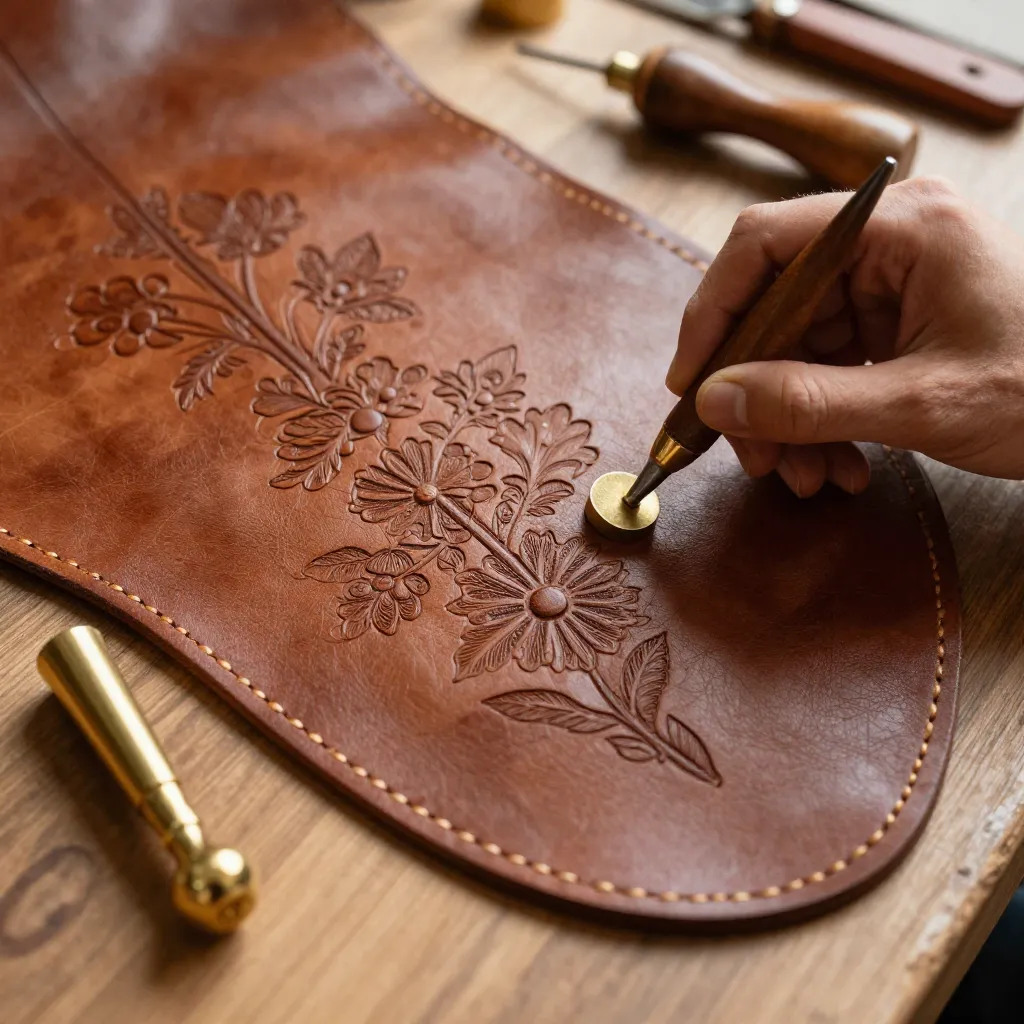
Characterized by closely packed fiber bundles, tight grain leather offers superior strength and tooling clarity. This structure is found in premium hides from younger animals or specific breeds. The dense fiber network provides excellent resistance to stretching and maintains tooled impressions with precision.
Open Grain
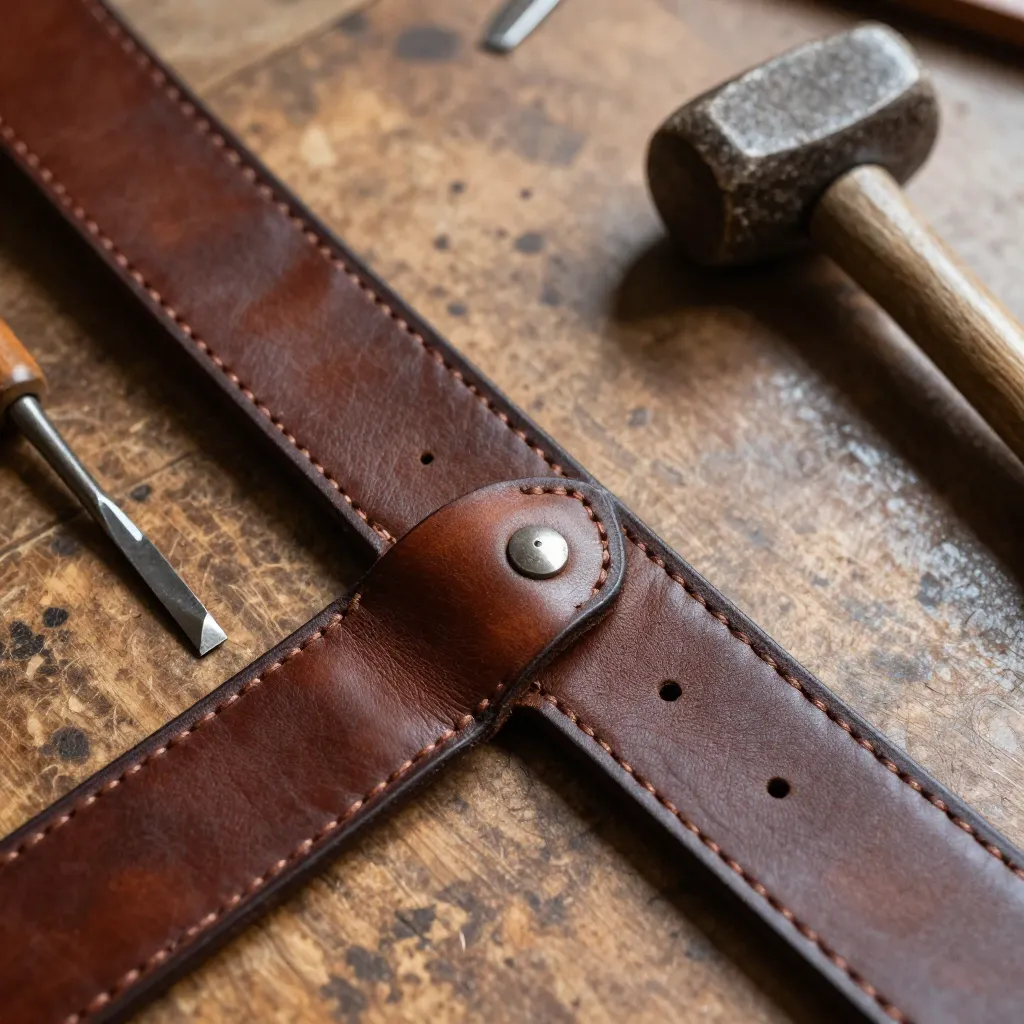
Features more widely spaced fiber bundles, creating a more textured surface. Open grain leather is more flexible and has a distinctive appearance. While it may not hold tooled details as sharply, it offers unique visual character and natural breathability.
Tooling Compatibility
Ideal Thickness
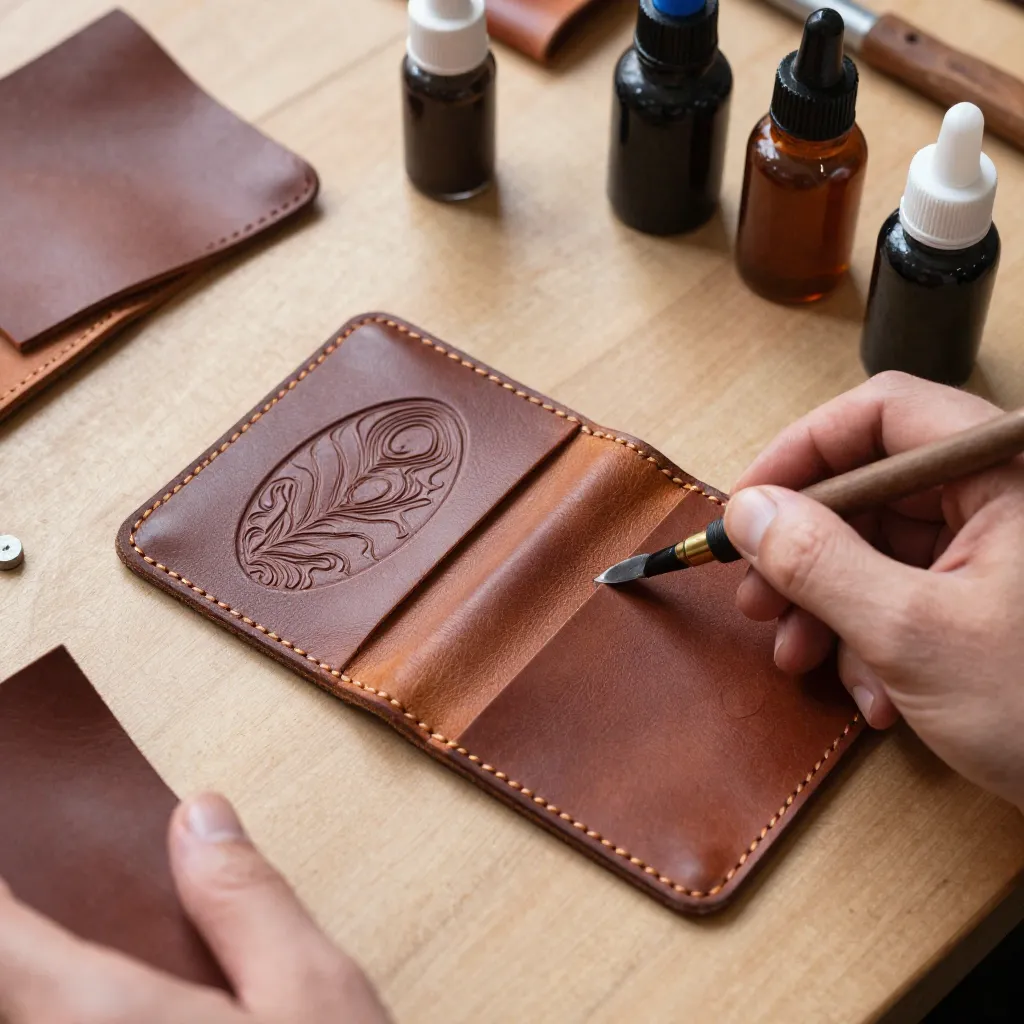
3-4mm provides optimal depth for tooling while maintaining structural integrity.
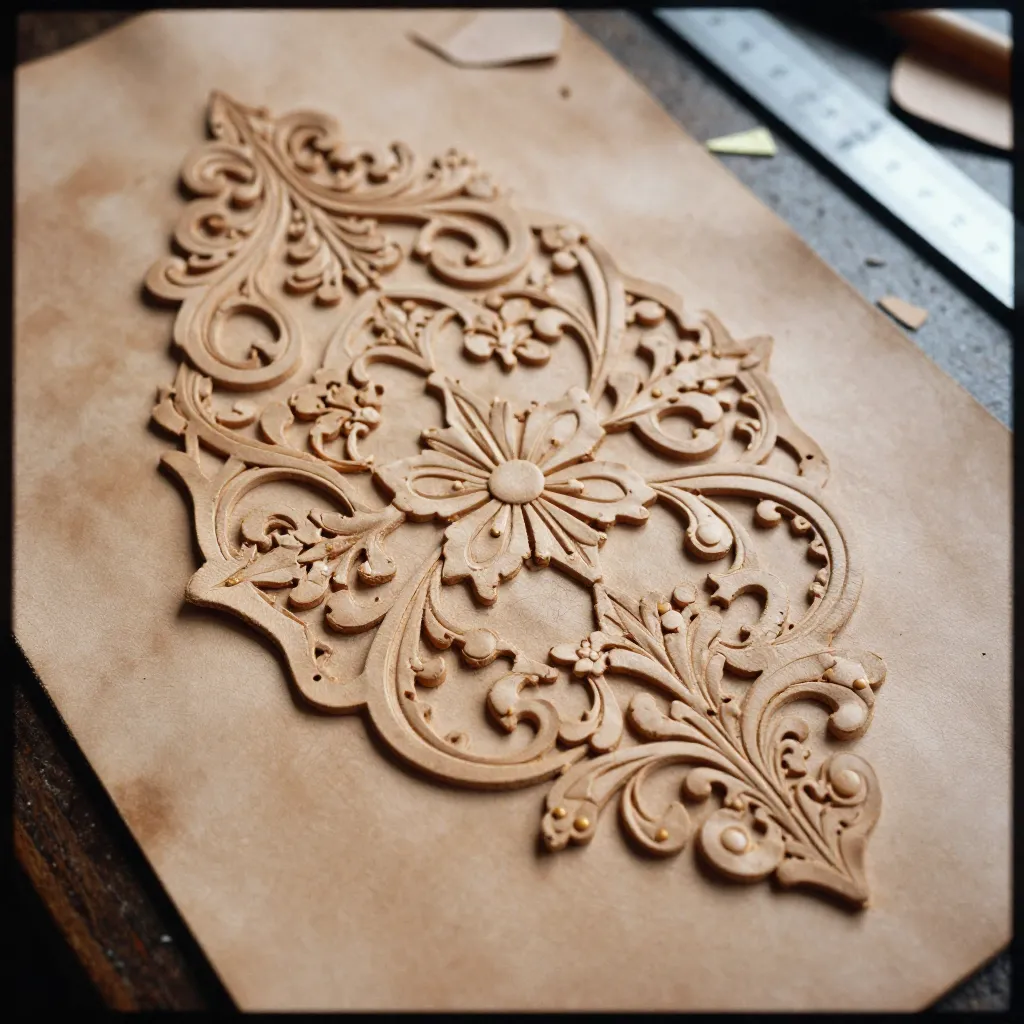
Moisture Content
Properly cased leather (15-20% moisture) accepts tooling impressions clearly.
Surface Preparation
Smooth, uniform surfaces ensure consistent tooling results across the piece.